Skip to content
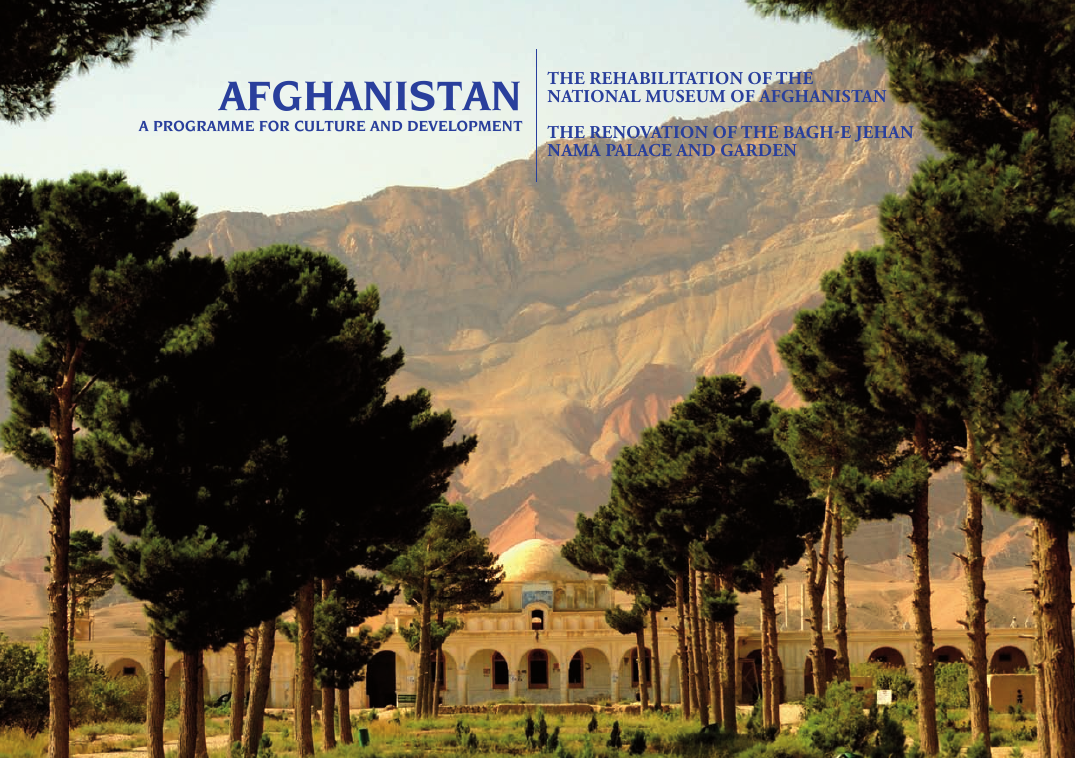
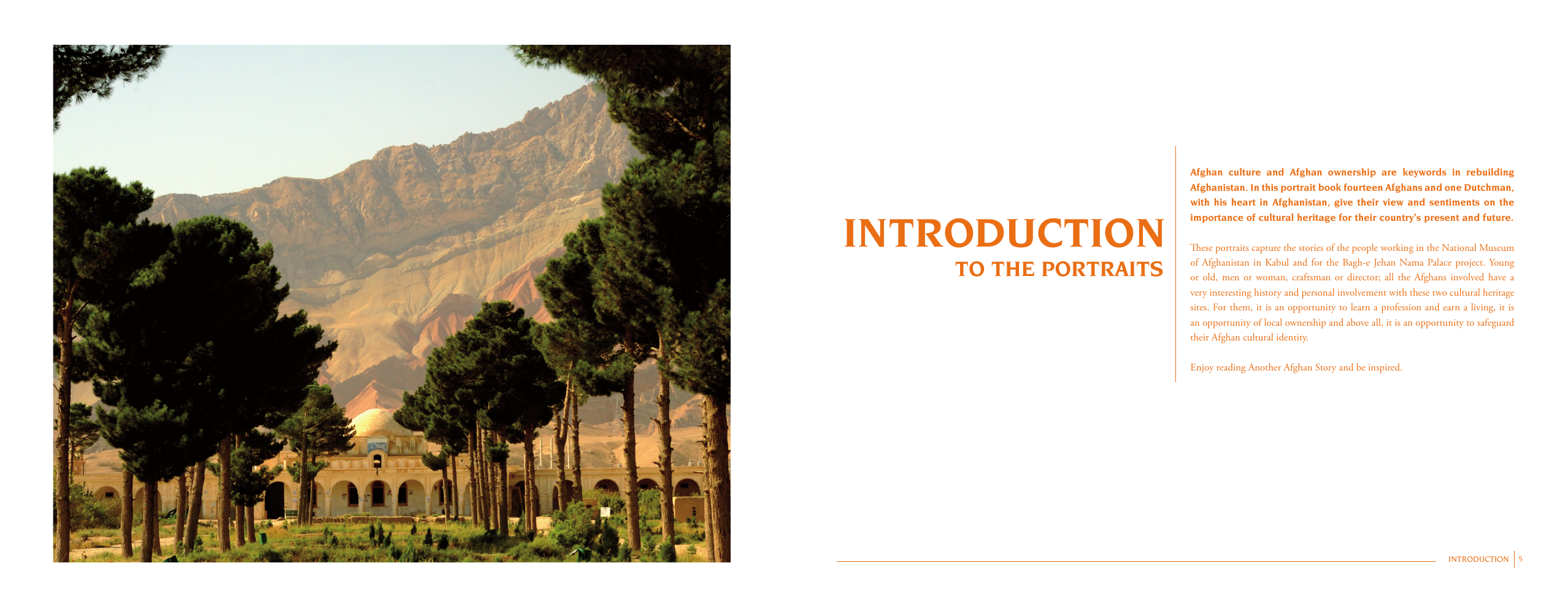
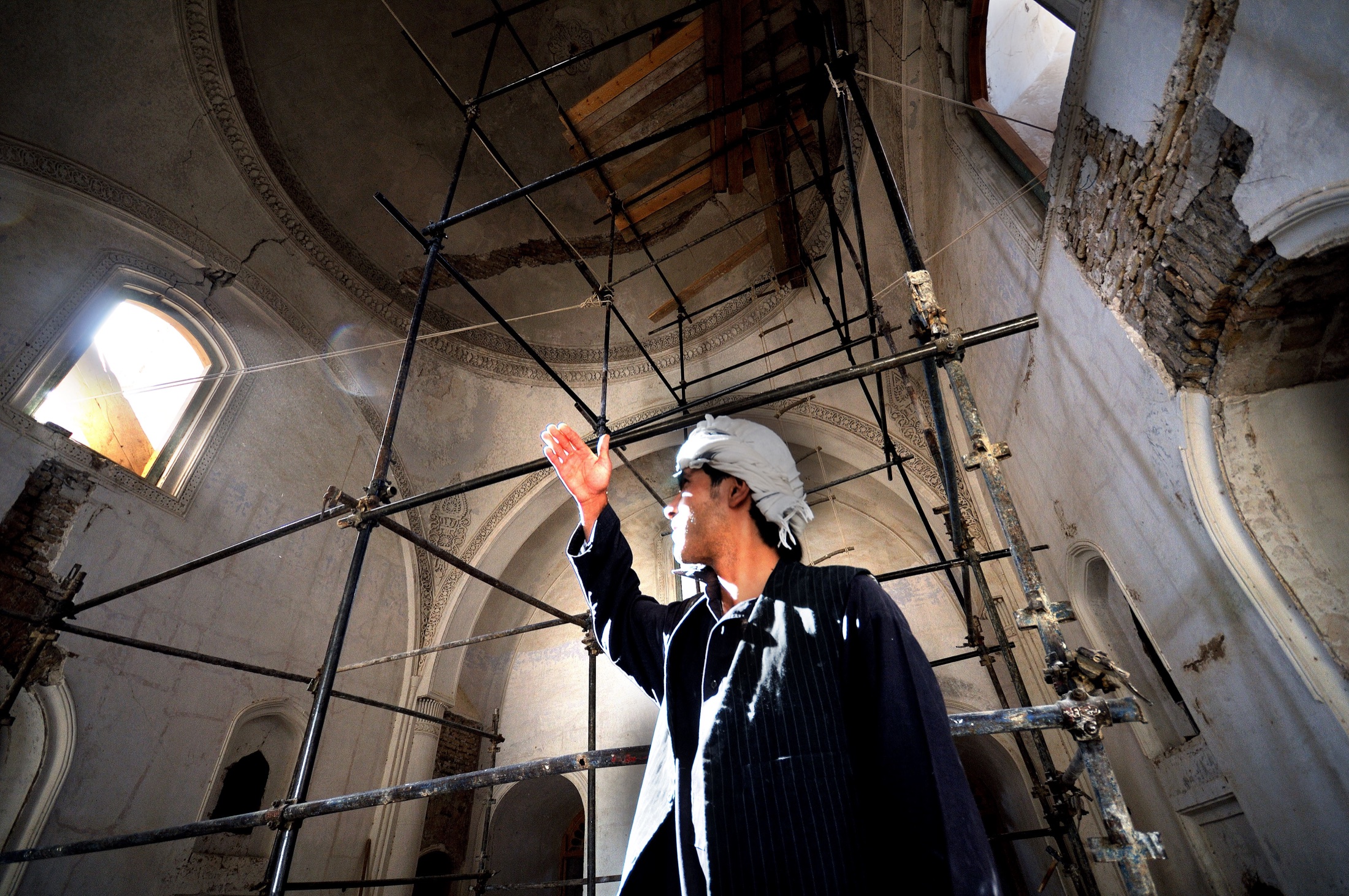
A heritage worker inside a historic building in Kholm, Afghanistan

Legacy programme · 2006–2014

Culture and development.

A Programme for Culture and Development

From rebuilding institutions to rebuilding relationships.

CIE began working in Afghanistan in 2006. The documented programme phase centred on the National Museum of Afghanistan in Kabul and the Bagh-e Jehan Nama Palace and garden in Kholm, bringing conservation, museum development, education, craft training and public participation into one framework.

Capacity building and Afghan ownership were the programme’s guiding principles. Physical rehabilitation mattered, but so did the ability of Afghan professionals, craftspeople, teachers, young people and communities to decide how heritage would be cared for, interpreted and shared.

The programme was developed with the Ministry of Information and Culture, the Ministry of Education, the National Museum of Afghanistan, New AFIR Architects and other Afghan and international partners, with support from the Netherlands Ministry of Foreign Affairs.
Two connected places

A national museum and a community palace

Each site addressed a different scale of cultural life, while sharing the same commitment to access, professional capacity and local responsibility.

KabulNational institution

National Museum of Afghanistan

The programme supported structural and security improvements, collection care, exhibitions, museum management and public awareness. School and university visits helped reconnect younger generations with Afghanistan’s diverse histories.

Explore the museum project
KholmCommunity heritage

Bagh-e Jehan Nama Palace

The damaged nineteenth-century palace and garden were reimagined as Afghanistan’s first regional ethnographic museum, a learning site and a renewed public meeting place rooted in local memory.

Explore the palace project
Shared methodLocal ownership

People made the programme

Museum staff, architects, curators, teachers, guards, gardeners, carpenters, masons and apprentices carried the work. Their experiences are central to the programme publications.

Meet the voices in the publications

Programme approach

Six routes towards a sustainable museum sector

The 2010 programme publication described a step-by-step model that joined physical rehabilitation to organisational and public development.

01Safety

Structure and security

Safer buildings, storage, access and security-management training.

02Collections

Conservation and access

Inventory, recovery, conservation and better access to dispersed or damaged collections.

03Interpretation

Exhibitions

Temporary and permanent exhibitions presenting Afghanistan’s plural and connected histories.

04Organisation

Management and finance

Professional structures, staff development, planning and accountable financial systems.

05Resilience

Income and activity

Publications, museum shops, travelling exhibitions and other routes towards institutional resilience.

06Public value

Heritage awareness

Education, school visits, events and media that make museum knowledge part of everyday public life.

Programme journey

From rehabilitation to public interpretation

Long-term relationships allowed practical work, learning and public storytelling to develop together.

2006

Programme begins

CIE joins Afghan partners in a multi-year collaboration focused on museum rehabilitation, cultural development and professional capacity.

2007

Kholm community project

Work begins to revive the Bagh-e Jehan Nama Palace and garden through local consultation, design and craft knowledge.

2010

Programme stories published

The programme overview and Another Afghan Story document the sites, methods and people carrying the work.

2012

Buddhist Heritage exhibition

A National Museum exhibition opens a public route through Afghanistan’s plural past and supports museum learning.

2013

1000 Cities of Bactria

New interpretation brings archaeological knowledge into a public museum setting and connects Afghanistan to wider historical routes.

2014

Community exhibition and reflection

Children’s education and community photography in Kholm culminate in a public exhibition, while A Changing World records lessons from the programme.

Events and public moments

The programme in public

These linked entries are preserved in CIE’s dated event archive alongside the annual reports that document them.

25 Aug2011

Heritage for Teachers Day

Teachers in Kholm explored ways to connect local heritage, the palace and school learning.

Open event record
29 Apr2012

Buddhist Heritage of Afghanistan

A National Museum exhibition made religious and artistic diversity visible to a broad public.

Open event record
6 Jul2013

1000 Cities of Bactria

An exhibition connected archaeological research with public interpretation at the National Museum.

Open event record
10 Dec2014

Kholm community photography

Photographs and local stories were brought together in an exhibition around Bagh-e Jehan Nama.

Open event record

Living programme connections

Where the legacy continues

The earlier programme now sits within CIE’s wider archive while its methods and questions continue across current clusters.

ClusterMemory & justice

Dhakira Centre

Plural histories, re-emerging pasts and the right of communities to shape public memory.

Explore Dhakira Centre
ClusterLearning

Heritage EduHub

Turning project experience, museum practice and public dialogue into accessible learning resources.

Explore Heritage EduHub
InfrastructureShared knowledge

HeritageLab

Preserving project processes, community voices and connected records for future use.

Explore HeritageLab