01
Memory · ethics · recognition
Dhakira —
Heritage Justice
Contested pasts, silenced histories, recognition and the right to remember.
 CIE–Centre for International
CIE’s structure is deliberately connected. A cluster provides a stable home for knowledge and responsibility. Programmes create bridges across those clusters. Projects turn the work into specific actions, platforms, films, stories and methods.
This layered structure makes it easier to explore the work without losing the relationships between it.
Layer 01
The five stable areas that organise CIE’s work.
Memory · ethics · recognition
Contested pasts, silenced histories, recognition and the right to remember.
Document · connect · share
Collaborative and digital infrastructure for stories, Co-labs, methods and exchange.
Land · water · living memory
Heritage, memory, landscapes and environmental change.
Imagine · experiment · participate
Public experiments, installations and stories for future-making.
Learn · translate · exchange
Learning resources, teaching modules, toolkits and training.
Layer 02
Programmes cross cluster boundaries and show how CIE works in practice.
Memory, contested heritage, silenced histories and public dialogue.
View programme ↗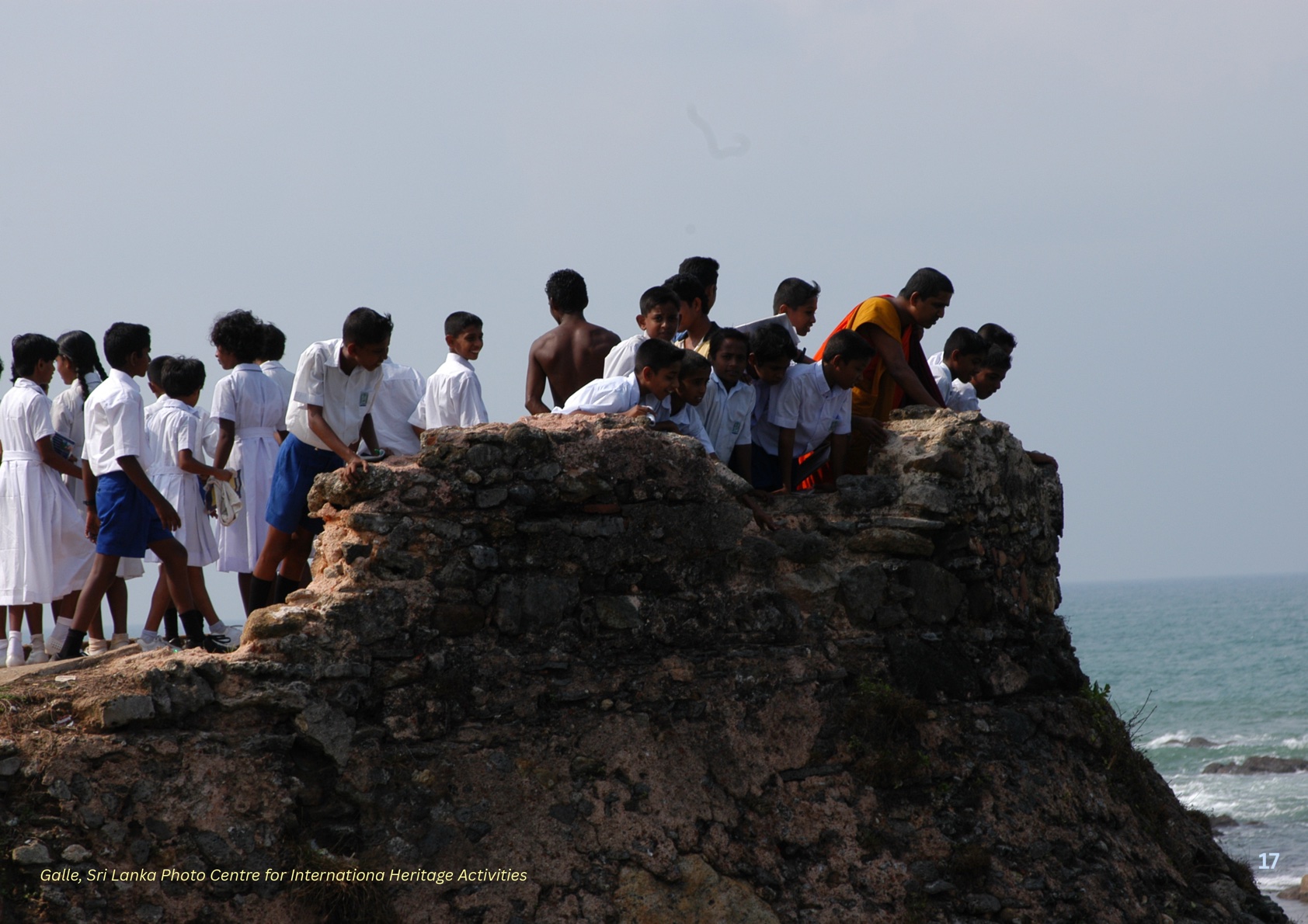
Water-related heritage, local knowledge, ecology and community practice.
View programme ↗Lived environments shaped by memory, routes, labour, migration, conflict, care and climate.
View programme ↗Community narratives connecting environmental change with identity, memory and belonging.
Explore the method ↗Layer 03
Focused workstreams with named teams, outputs, timelines and opportunities to participate.
Locally grounded, context-sensitive and achievable better practice.
View workstream ↗
Rapid documentation for coastal and underwater heritage at risk.
View project ↗