Survey & planning
Architectural, photographic and structural surveys informed a locally discussed plan for the palace and garden.
 CIE–Centre for International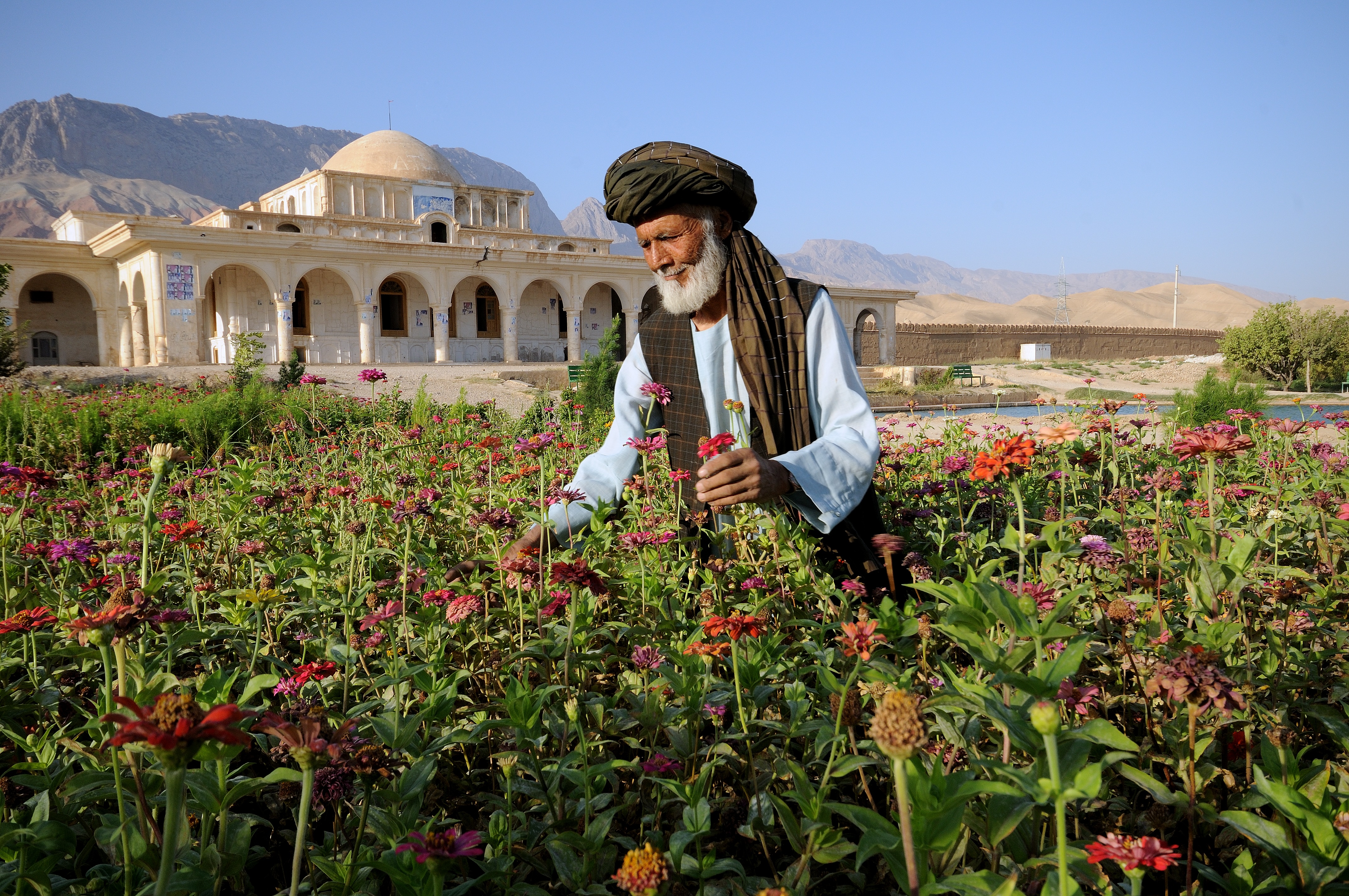
Kholm · community heritage programme
A palace with many lives
Bagh-e Jehan Nama was built in 1890–1892 by Amir Abdur Rahman. Its large enclosed garden had been a social gathering place, and plans made after a renovation in the early 1970s imagined the palace as a museum. An earthquake in 1976 and the decades of conflict that followed left the building and garden severely damaged.
In 2007, the museum idea was revived within CIE’s Afghanistan Programme for Culture and Development. The ambition was to create a regional ethnographic museum and site museum for the northern plains, while restoring the garden as a public place for families, travellers and the people of Kholm.
Afghan ownership shaped the approach. Local residents, officials, museum professionals, architects, gardeners and master craftspeople contributed to decisions about the building, landscape and future functions.
How the work was organised
The project joined physical rehabilitation to the local knowledge and relationships needed to care for the site over time.
Architectural, photographic and structural surveys informed a locally discussed plan for the palace and garden.
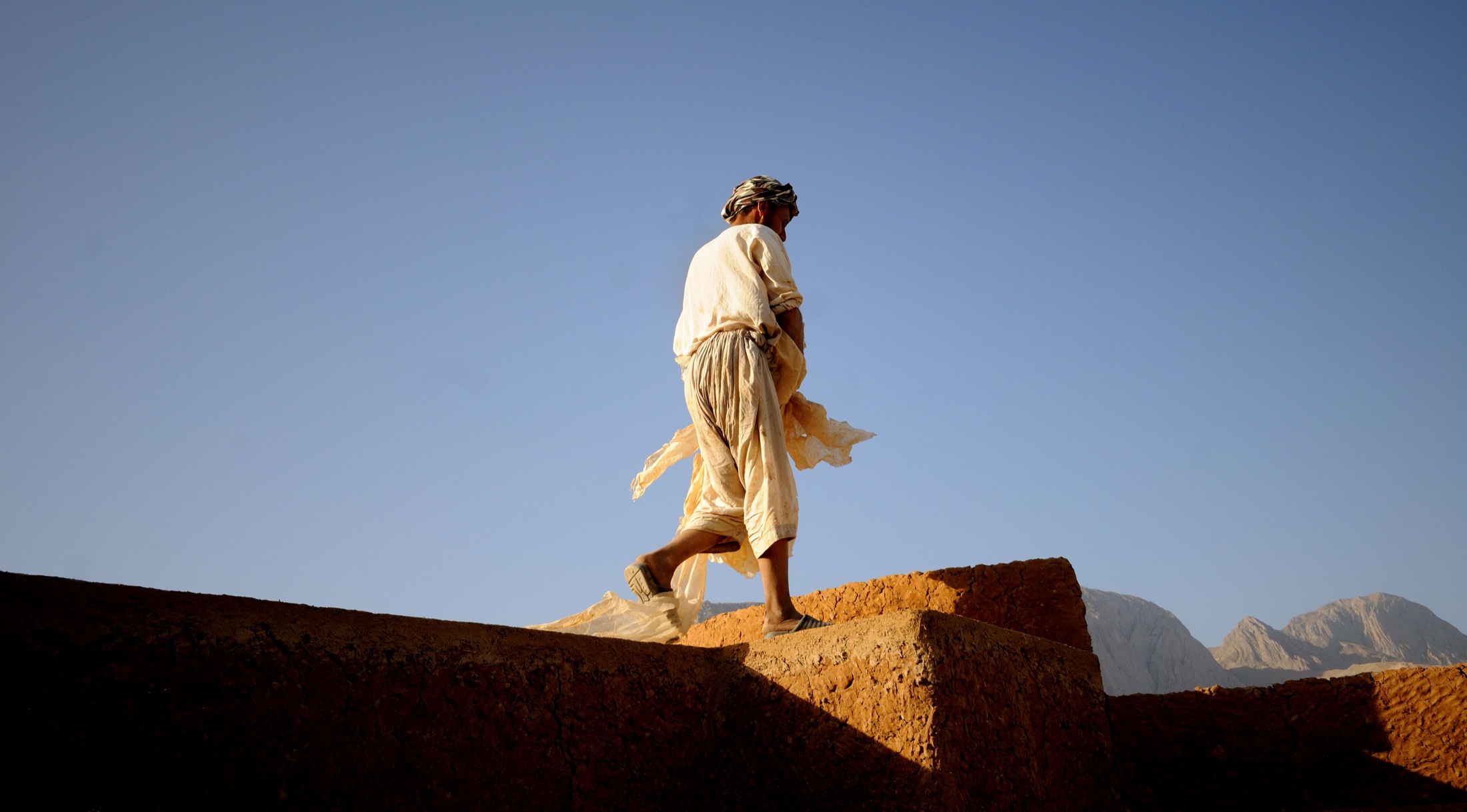
Master masons and apprentices worked with local materials, including pakhsa for reconstruction of the garden walls.
Elders and the former gardener helped reconstruct knowledge of the garden, its irrigation and its fruit and nut trees.
Carpenters, masons, gardeners, brick makers and lime mixers developed skills while contributing to the regional economy.
Teachers were trained for the “Kholm for Kids” programme, connecting local history and the palace with boys and girls from regional schools.
The renewed garden again became a setting for picnics, leisure and community gathering rather than a closed monument.
A regional museum
The proposed museum would present the ethnographic heritage of the northern plains and interpret the historic urban centre of Tashqurghan. Its location near the Kabul–Mazar-e Sharif route gave the site both regional relevance and the potential to welcome travellers.
The programme’s lasting value lies in more than the intended museum function. Restoration became a way to recover techniques, grow local professional capacity, reconnect generations with the history of the place and give the garden back a social role.
Later education and community-photography activities continued this public route. They placed local stories and perspectives alongside the architectural rehabilitation, making the palace a setting in which community memory could be documented and shared.
Project record
This summary brings the former CIE project account into the current website and is grounded in programme publications, portraits and annual reports.
Continue through the archive
The connected programme of museums, conservation, education, craft training and public participation.
Open programme overview ↗Museum rehabilitation, collection care, institutional development and public education.
Open museum project ↗A public exhibition brought photographs and local stories together around the palace and garden.
Open event record ↗