Regional fieldschools · 2010–2012
Learning from an island.
The fieldschool model
Skills developed through a real cultural landscape.
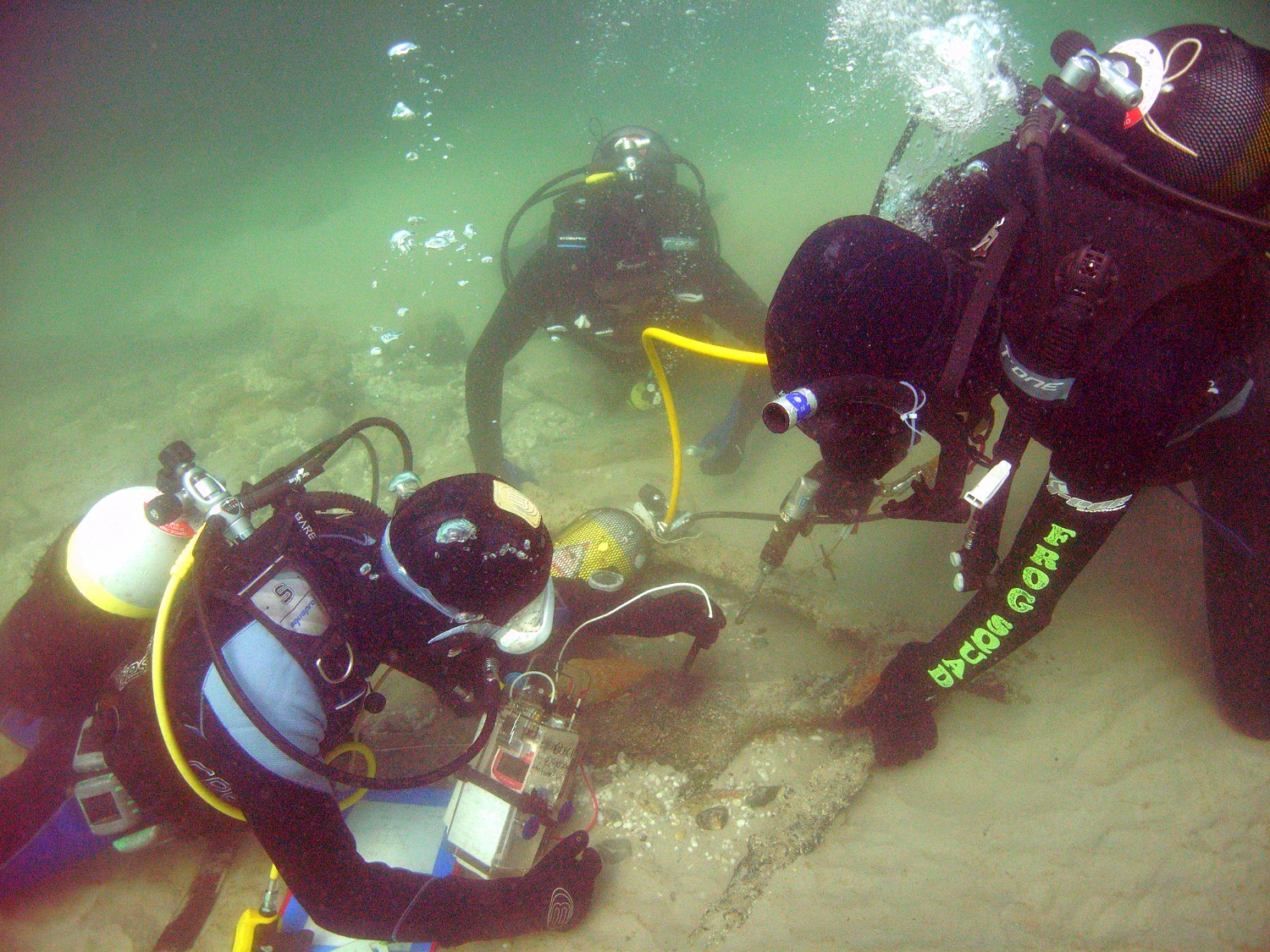
From 2010 to 2012, CIE and its partners used Robben Island as a regional learning environment for maritime and underwater cultural heritage. Participants combined classroom work with survey, documentation, database development and site-management questions.
The island made it possible to read maritime heritage in relation to prison history, working landscapes, historic routes and the contemporary responsibilities of a World Heritage property.
Regional capacity
Training built around exchange.
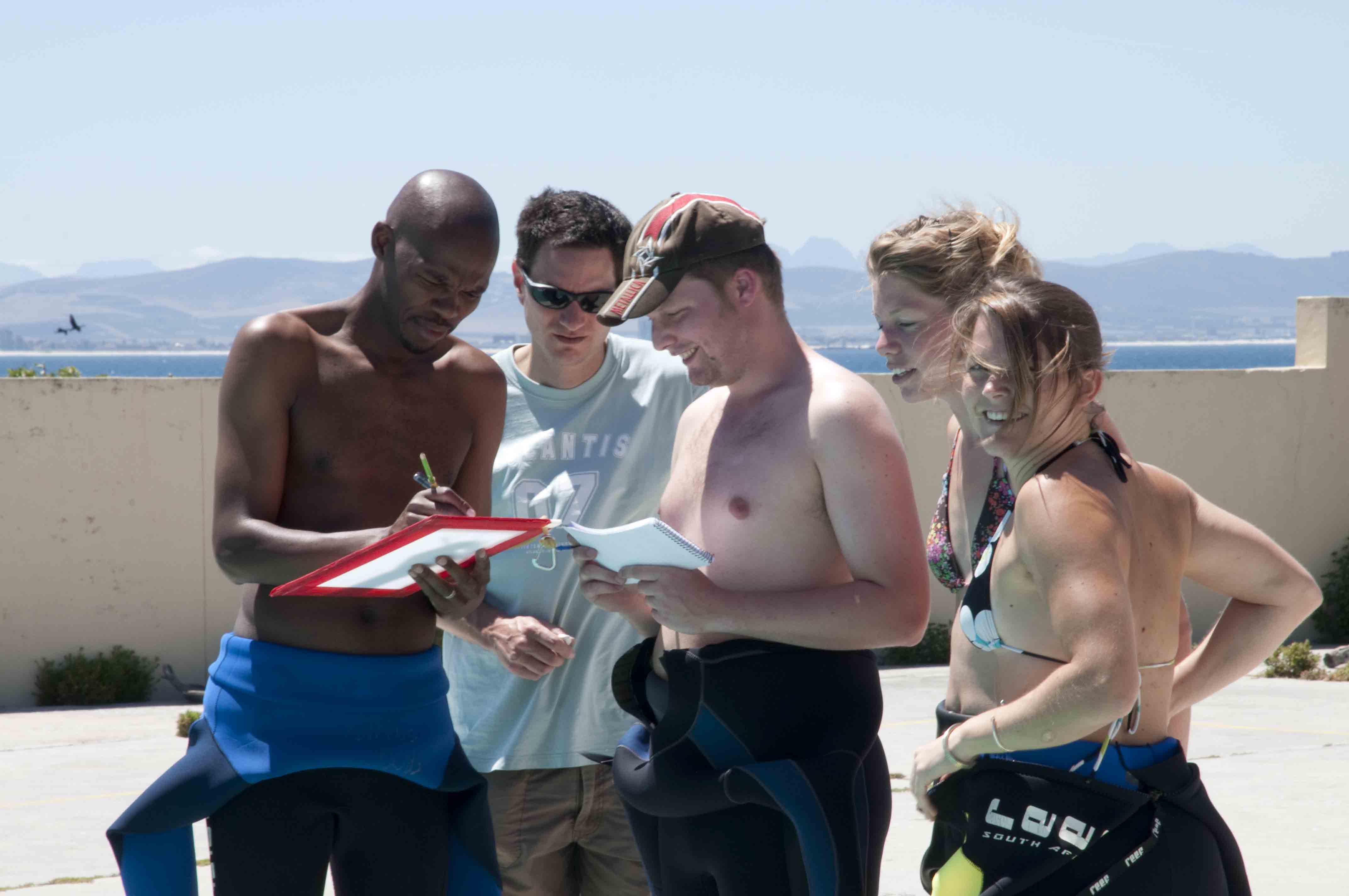
The first programme introduced twenty-two participants to Nautical Archaeology Society methods, with sixteen continuing to advanced work.
The fieldschools also supported an African regional agreement on maritime and underwater cultural heritage and created relationships that continued beyond the island.
Three seasons
A cumulative curriculum
Regional foundation
Introductory and Part I training brings together participants from across the region and links practical learning to a wider African agreement.
Survey and interpretation
Work on the barrel wreck, a walking trail and a maritime database connects underwater recording with public presentation.
Management and conservation
Site Recorder, buffer-zone questions and in-situ conservation deepen the programme; a lead ballast bar becomes a focus for practical documentation.
Programme legacy
Practice became a learning pathway
The fieldschool’s structure—learn, document, interpret and reflect—connects directly to CIE’s present Global Ocean Heritage and Heritage EduHub programmes.