Australia–Netherlands · 2008–2011
Returning the ANCODS collection.
The collection
Shared history required shared responsibility.
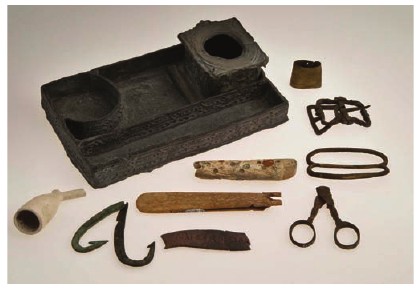
Artefacts from the Batavia, Vergulde Draeck, Zuytdorp and Zeewijk had been divided between Australian and Dutch museums under the Australia–Netherlands agreement concerning old Dutch shipwrecks.
After the Netherlands decided to return its part of the collection, CIE worked on the practical and public dimensions of the process: reassembling and re-registering records, creating a digital inventory and website, supporting preparation for transport, and helping make the transfer understandable to audiences in both countries.
The project linked physical return with access. Reunification in Australia was accompanied by a digital record intended to preserve the collection’s international research value.
Project sequence
Register, present, return
Digital preparation
CIE begins the inventory and description of the Dutch-held objects and plans an online record joining information from four repositories.
Reassembly and coordination
The collection is brought together from Dutch custodians, re-registered and discussed with Australian partners through the ANCODS committee.
Farewell and formal handover
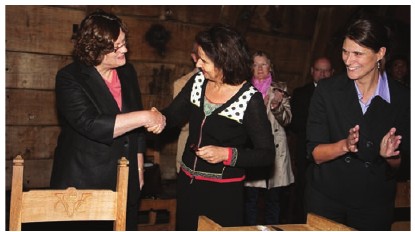
A public presentation in Lelystad precedes the official handover at the Australian National Maritime Museum in Sydney on 9 November.
Database and consolidated collection
The digital record and final transfer work support continued access to a collection now held together in Australia.
Project significance
Repatriation as a knowledge project.
The ANCODS work brought collection care, diplomacy, museum practice and maritime archaeology into one process. It is an early example of a CIE approach that still matters: responsible movement of objects should be accompanied by transparent documentation, public explanation and continued access to knowledge.